
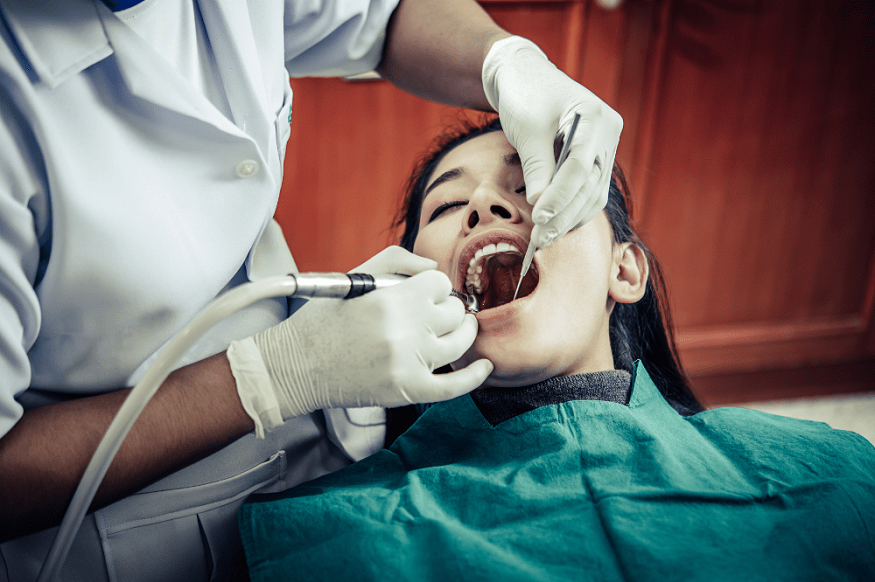
Wisdom teeth, or third molars, are the very final set of permanent teeth to emerge within the human oral cavity, typically making their initial appearance during late adolescence or early adulthood. For a significant majority of individuals, the modern human jawbone simply does not possess sufficient physical space to accommodate these late arrivals comfortably. When a developing third molar becomes entirely trapped beneath the thick gumline or grows at an highly abnormal angle due to severe overcrowding or physical obstruction, it is clinically classified as an impacted wisdom tooth. While some impacted teeth remain completely quiet and unnoticeable for many years, they frequently trigger localized discomfort, progressive alignment problems, or serious dental infections that necessitate a thorough professional evaluation and timely surgical intervention.
Common Signs of Wisdom Tooth Impaction
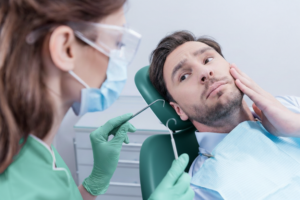
An impacted wisdom tooth may remain completely asymptomatic while fully encased inside the dense jawbone, but highly uncomfortable signs usually develop once it attempts to breach the surface. Patients often experience a dull, persistent ache deep in the back of the jaw, which can radiate upward toward the ear or cause severe tension headaches. As the crown forces its way through the delicate gum tissue, it can create a loose partial flap of tissue that easily traps stubborn food particles and harmful bacteria. This scenario frequently leads to a painful condition known as pericoronitis, an acute inflammation characterised by red, swollen, and highly tender gums. Affected individuals may also notice an unpleasant foul taste in the mouth, chronic bad breath (halitosis), and a severely restricted ability to open their mouth comfortably, a condition known as trismus.
Read More: Urgent Dental Care: How to Handle Common Emergencies Fast
Associated Oral Health Risks
Leaving a poorly positioned or partially erupted third molar completely untreated carries several major long-term health risks that can easily jeopardise the structural integrity of your entire mouth. Because partially erupted teeth are exceptionally difficult to reach with standard daily brushing and flossing routines, they naturally become highly susceptible to dental decay and localized periodontal disease. This destructive decay is rarely isolated; it regularly spreads to the immediately adjacent second molars, causing completely irreversible root resorption or severe cavities on healthy neighbouring teeth. Furthermore, the fluid-filled developmental sac surrounding an unerupted tooth can occasionally transform into a benign cyst or tumor, which gradually hollows out the jawbone and destroys nearby vital nerve pathways over time.
Modern Diagnostic and Treatment Options
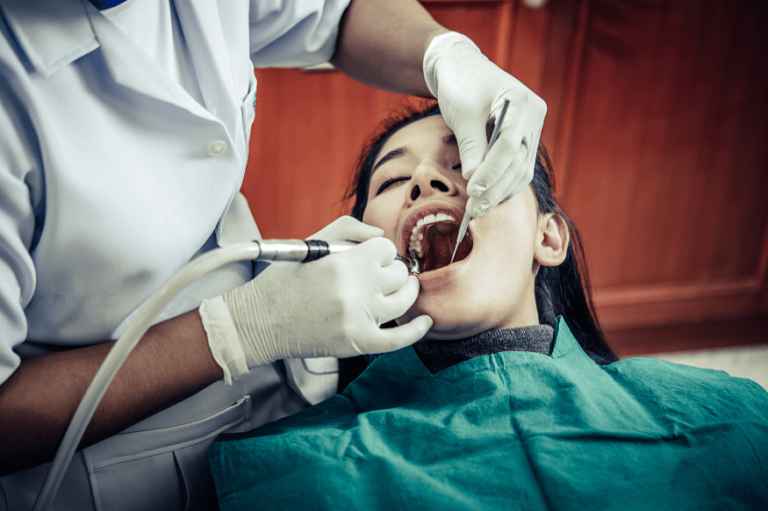
When a dental patient presents with distinct symptoms of severe impaction, a qualified dental practitioner will utilise advanced diagnostic imaging tools to accurately map the precise location of the roots. Fortunately, digital dentistry is making wisdom tooth extraction more precise than ever, allowing modern oral surgeons to use three-dimensional cone-beam computed tomography to safely navigate around major anatomical structures like the inferior alveolar nerve. If the targeted tooth is causing active disease or is deemed highly likely to trigger future complications, a proactive surgical extraction is generally recommended by the clinician. The procedure is routinely performed under a deep local anaesthetic, intravenous sedation, or general anaesthesia to ensure complete patient comfort during the bone and tissue management phases.
Post-Operative Management and Care
The recovery period following the surgical removal of a third molar requires highly diligent home care to minimise discomfort and foster healthy tissue regeneration. Patients are strictly advised to consume soft foods, avoid strenuous physical activity, and maintain meticulous oral hygiene without directly scrubbing the sensitive surgical sites. Standard post-operative symptoms usually include temporary facial swelling, minor bruising, and a manageable level of localized pain, all of which typically peak within forty-eight to seventy-two hours before gradually subsiding. Applying cold ice compresses externally and taking prescribed anti-inflammatory medications are highly effective methods for keeping these initial healing side effects well under control.
Read More: A new technique to repair the enamel of our teeth
Extraction Risks and Complications
Although third molar surgery is an incredibly commonplace and highly successful outp risks and complications before undergoing treatment. The most frequent post-operative complication is alveolar osteitis, popularly known as a dry socket, which occurs when the protective blood clot dislodges prematurely from the socket, exposing the underlying bone to air and food debris. Other rare but notable risks include delayed-onset bacterial infections, prolonged post-operative bleeding, and temporary or permanent nerve impairment that can cause altered sensation or numbness in the lower lip, chin, and tongue.





+ There are no comments
Add yours