
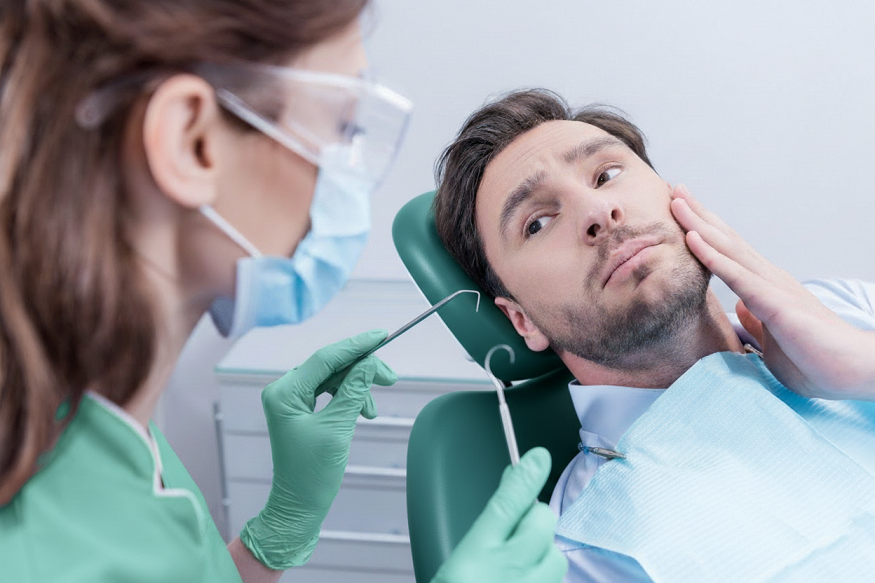
Dental emergencies rarely happen at a convenient time. Whether it is a sharp pain during dinner or a sudden impact during a weekend match, knowing how to react in those first few minutes can be the difference between saving and losing a tooth. Taking swift, calculated action reduces the risk of long-term complications and ensures that your recovery is as smooth as possible. Understanding the basic protocols for common dental crises allows you to remain calm and manage the situation until you can reach a professional.
Identifying a True Dental Emergency
Not every dental niggle requires an immediate trip to the clinic, but several scenarios demand urgent attention. If you are experiencing uncontrollable bleeding, severe swelling that affects your breathing or swallowing, or a tooth that has been completely knocked out, you are facing a genuine emergency. Dull aches can often wait until the next morning, but sharp, throbbing pain usually indicates an underlying infection or nerve exposure that needs to be addressed before the condition worsens.
Managing a Knocked-Out Tooth
A permanent tooth that has been knocked out is a time-sensitive crisis. The primary goal is to keep the root cells alive. If the tooth is clean, try to gently place it back into the socket and bite down on a piece of gauze to hold it in place. If it is dirty, rinse it briefly under cold water—never scrub the root or use soap. If re-insertion isn’t possible, store the tooth in a small container of milk or tucked inside your cheek to keep it moist. You generally have a window of about 30 to 60 minutes to prevent further damage with emergency dentistry and potentially save the natural tooth.
Read More: A new technique to repair the enamel of our teeth
Cracked or Fractured Teeth
Fractures can range from minor chips to deep cracks that extend into the gum line. If you crack a tooth, rinse your mouth with warm salt water to clean the area and apply a cold compress to the outside of your face to minimise swelling. Avoid eating anything hard or sticky until you see a dentist. If a large piece of the tooth has broken off, try to find the fragment and bring it with you, as it may be possible to bond it back into place.
Dealing with Intense Toothaches
A sudden, debilitating toothache is often a sign of an abscess or advanced decay. To manage the pain temporarily, use dental floss to ensure no debris is trapped between the teeth, then rinse with warm water. Avoid placing aspirin directly on the gums, as this can cause chemical burns to the soft tissue. Over-the-counter pain relief can help, but it only masks the symptoms. An abscess is a serious infection that can spread to other parts of the body if left untreated, so professional intervention is vital.
Soft Tissue Injuries and Bleeding
Injuries to the tongue, cheeks, or lips can result in significant bleeding because the mouth is highly vascular. To manage this, clean the area with water and apply firm pressure using a clean cloth or gauze. If the bleeding does not subside after 15 minutes of constant pressure, or if the wound is deep enough to require stitches, you should head to an emergency department or your dentist immediately. Persistent bleeding is often a sign that the wound needs professional closing to heal correctly.
Lost Fillings or Crowns
While losing a crown or filling might not be life-threatening, it can be incredibly sensitive and leave the tooth structure vulnerable to further decay. If a crown falls off, try to keep it safe. You can sometimes use a small dab of over-the-counter dental cement or even sugar-free chewing gum to temporarily adhere the crown back onto the tooth. This protects the exposed dentin from temperature changes and bacteria until you can get a permanent fix. Do not use superglue or any household adhesives, as these are toxic and can ruin the tooth.
Read More: Carnosine as a Potential Antioxidant for Disease Prevention And Beyond
The Importance of Protective Gear
Prevention is always more comfortable than a cure. For those who lead an active lifestyle, particularly in contact sports like rugby or netball, wearing a custom-fitted mouthguard is the most effective way to prevent dental injuries. These devices cushion the impact and distribute the force of a blow, protecting both the teeth and the jaw. By investing in preventative measures, you significantly lower the chances of needing an emergency visit in the first place, ensuring your smile remains intact regardless of the activity.







+ There are no comments
Add yours