

Medical imaging exists at the intersection of sophisticated technology and human vulnerability. Modern MRI scanners, CT systems, ultrasound equipment, and digital X-rays can produce remarkably detailed images that help healthcare professionals identify injuries, monitor diseases, and plan appropriate treatments. Yet, behind every scan is a person who may be experiencing fear, pain, uncertainty, or anxiety. As Kasey McKillip mentions, maintaining a compassionate approach in medical imaging can transforms a cold, technical procedure into a human-centered experience.
Kasey McKillip highlights the importance of compassion in medical imaging
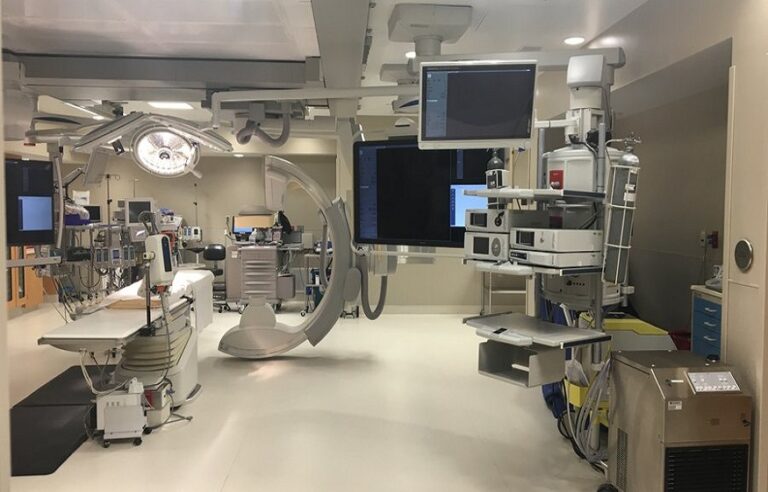
For many patients, entering a radiology department is far from an ordinary medical test. The unfamiliar machines, clinical surroundings, waiting periods, and concerns about possible results can make the procedure emotionally overwhelming. In such circumstances, compassion is more than a gesture of kindness. It is an important part of effective clinical care. The way radiology technologists, sonographers, radiologists, and other healthcare professionals interact with patients can influence comfort, cooperation, safety, and even the quality of diagnostic images.
Read More: Tennessee Men’s Clinic Reflects on Fatherhood and Lifelong Men’s Health
The central purpose of medical imaging is to obtain clear and accurate information that can help guide diagnosis and treatment. However, achieving technically successful images often depends on the patient’s ability to remain calm and follow instructions. Anxiety can make this considerably more difficult.
One of the most common challenges is involuntary movement. Fear and nervousness can cause rapid breathing, muscle tension, trembling, and an increased heart rate. During MRI and CT examinations, even small movements can affect image quality. Blurred or distorted images may require additional scanning, prolong the procedure, or occasionally make the results difficult to interpret. A compassionate technologist can help reduce this risk simply by taking time to explain what will happen, answering questions, offering appropriate comfort measures, and helping the patient establish a steady breathing pattern.
Empathy can also improve a patient’s ability to follow instructions. Some imaging examinations require patients to remain completely still, hold their breath for several seconds, or maintain an uncomfortable position. Anxiety can make it difficult for patients to concentrate on instructions. Clear explanations delivered in a calm and reassuring manner can help patients understand what is expected and feel confident enough to cooperate.
Read More: Carnosine as a Potential Antioxidant for Disease Prevention And Beyond
Claustrophobia and physical discomfort can present additional difficulties, particularly during MRI examinations. The enclosed scanner environment may be frightening for some individuals, while positioning on a firm examination table can aggravate existing pain. Simple measures like supportive cushions, blankets, communication through headphones or an intercom, appropriate music, and other comfort strategies can make the procedure easier to tolerate. In some cases, these efforts may prevent a patient from abandoning an examination altogether.
As per Kasey McKillip, the best diagnostic experience combines advanced equipment with human understanding. When patients feel safe, respected, and supported, they are more likely to cooperate with procedures, communicate their concerns, and complete examinations successfully. Therefore, compassion can be considered to be an important clinical skill. This skill helps transform an intimidating diagnostic procedure into a more reassuring and purposeful step toward understanding and managing the health and well-being of the patient.









+ There are no comments
Add yours