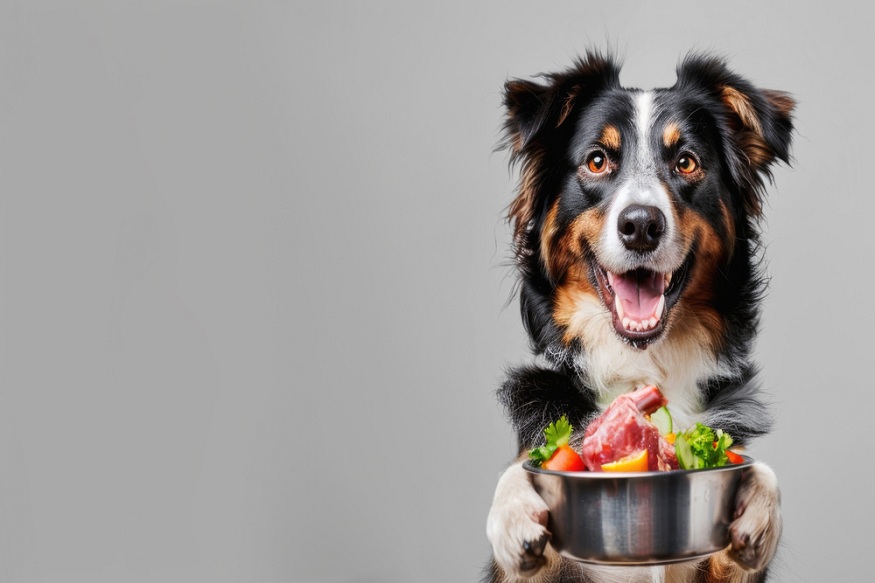
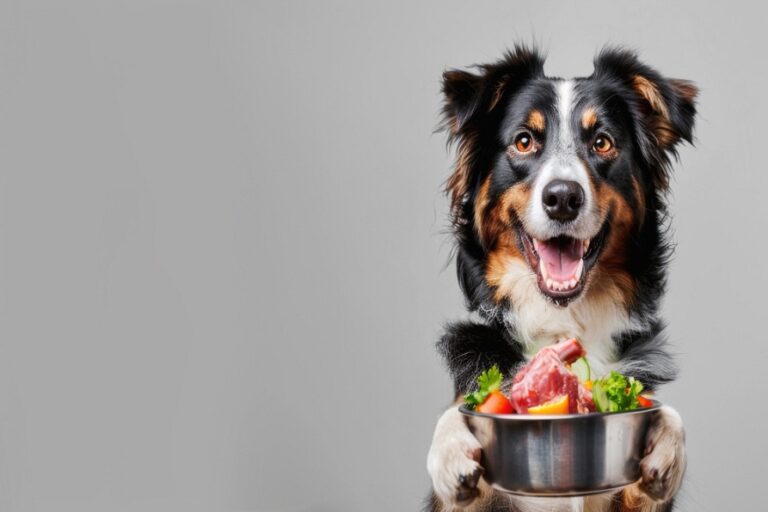
That dog food bag might be unsuitable. Aging causes changes in dogs. But most people keep filling the bowl with the same stuff for years. The puppy who needed tons of calories becomes a lazy adult who barely moves off the couch. Their dinner stays the same though. Big mistake.
Puppies to Adults: The First Big Switch
Puppies eat a lot because they are growing. Protein and fat build bones and muscles. So puppies need calorie-dense food. Then your dog turns one. Or maybe two if they’re a big breed. Growth slows down. They no longer need those calories. Keep feeding puppy chow to a grown dog? They’ll get fat. Fast. Smaller breeds of dogs mature faster than larger breeds. Your neighbor’s Chihuahua could switch to adult food at ten months. Your Great Dane? Still eating puppy food at eighteen months and doing just fine. You’ll know when they slow down and become calmer.
Activity Levels Change Everything
A farm dog works hard. A city dog mostly naps. They shouldn’t eat the same amount, right? Dogs with jobs burn through calories like crazy. Hunting dogs, police dogs, dogs who actually do stuff all day; they need serious fuel to keep going. Here’s where it gets tricky. Winter hits, and suddenly those five-mile runs turn into quick potty breaks. Your dog tears their ACL and spends two months on restricted activity. As they age, they’d rather nap than run. But you keep giving them the same amount. Now they’re shaped like a furry sausage. Activity drops, but appetite doesn’t. You need to adjust or deal with an overweight dog who can barely climb stairs.
Weight Fluctuations Tell Important Stories
Run your hands along your dog’s sides. Feel ribs easily? Perfect. Can’t find ribs at all? Problem. Ribs poking out? Different problem. Dogs pack on pounds sneakily. A pound here, another there. Before you know it, your beagle looks like a coffee table with legs. Five extra pounds on a smaller dog is like your gaining thirty. Their joints hurt. Hearts work overtime. They die younger. Cutting back food works, but don’t starve them. Drop their portions by just a bit. Add green beans to make it more filling and low-calorie. Choose high-fiber foods to curb hunger.
Senior Dogs Need Special Attention
Old dogs struggle with stuff that never bothered them before. Food sits heavy in their stomach. Their kidneys work harder to process protein. Teeth ache. Standing hunched over a floor bowl kills their back. Senior food formulas dial back the protein to give kidneys a break. They throw in supplements for achy joints. Kibble gets smaller and softer for sensitive teeth. Some old-timers can’t stomach big meals anymore, so splitting their daily food into three portions instead of two is easier on their system. And for owners who want a gentler option, cold-pressed dog food can be easier to digest for seniors. When shopping gets tough for elderly owners, a dog food delivery company like Nextrition can drop off specialized senior formulas right at the door.
Medical Conditions Demand Diet Changes
Dogs get sick. Diabetes shows up out of nowhere. Kidneys start failing. Hearts get weak. Suddenly that regular food makes everything worse. Allergic dogs might break out in rashes from chicken but do great on fish. Diabetic dogs crash if their food has too much sugar and simple carbs. Salty food is bad for dogs with heart problems. Bad food can quickly create a crisis.
Conclusion
Dogs don’t stay the same. So it makes sense their food shouldn’t either. Don’t just grab whatever’s on sale and call it good. Watch your dog. Notice changes. Ask questions at vet checkups. Proper nutrition at the proper time is key for a dog’s well-being.




+ There are no comments
Add yours